
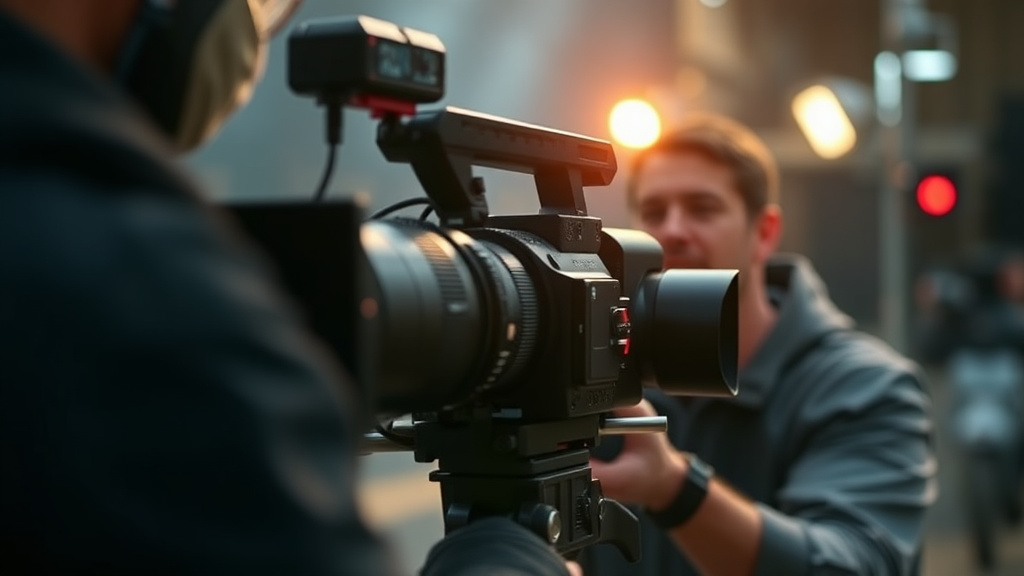
In today’s cinematic landscape, cinematic narrative has become an art form that transcends traditional narrative techniques. Prominent filmmakers are unveiling cutting-edge cinematography methods that transform how audiences experience films, from creative shot composition to advanced lighting approaches. This article examines the advanced techniques that industry masters employ to produce engaging cinematic moments, revealing the technical secrets behind memorable visual sequences. Discover how modern filmmakers leverage technology and creative vision to elevate storytelling and engage audiences like never before.
Mastering Lighting and Shadows in Contemporary Cinema
Lighting and darkness stand as the fundamental pillars of cinematic storytelling, yet modern directors are pushing these classical elements into unprecedented territories. Contemporary cinematographers utilize advanced lighting technologies, including LED panels and smart lighting solutions, to create dynamic visual narratives that respond to story beats. By manipulating lighting balance and shadow placement, directors establish emotional resonance and guide viewer attention with meticulous control. These approaches elevate standard shots into visually compelling moments that resonate well beyond the credits roll.
The interaction between light and darkness serves as a compelling narrative device in contemporary filmmaking. Directors intentionally utilize chiaroscuro lighting to highlight character psychology, ethical complexity, and narrative intricacy. High-contrast lighting can intensify tension during climactic moments, while gentler, diffused light fosters intimacy and vulnerability. Modern cinematography shows that mastering these core elements requires both technical expertise and artistic vision, enabling directors to convey subtext without dialogue and enhance storytelling through visual means alone.
Professional color grading technology has reshaped how directors control light and shadow in post-production. Digital cinematography allows filmmakers to fine-tune lighting nuances frame-by-frame, developing consistent aesthetic approaches that enhance story development. Directors now work together with color specialists to establish distinct color combinations that amplify emotional journeys and thematic elements. This meticulous control over lighting, darkness, and color has grown vital to producing visually striking films that differentiate themselves in current film industry.
The development of camera sensors and light fixtures has made accessible complex cinematographic approaches formerly accessible only to big studios. Smaller crews can now create professional-quality lighting that compete with big-budget films, allowing independent directors to compete visually with studio productions. Understanding the interplay of light, darkness, and sensor capabilities enables contemporary directors to craft purposeful visual selections that elevate their visual storytelling capabilities and resonate meaningfully with audiences.
Dynamic Camera Movement and Composition Strategies
Strategic camera motion serves as a essential foundation in modern cinematography, enabling directors to shape what viewers see and improve story rhythm. By deliberately angling shots and executing intentional motion, filmmakers create visual rhythm that complements story beats and character emotions. Contemporary directors increasingly leverage cutting-edge tools and techniques to achieve seamless, intentional motion that enhances audience engagement and creates engaging visual environments.
Innovative Tracking and Crane Techniques
Advanced tracking systems allow cinematographers to accomplish sophisticated camera maneuvers with accuracy and smoothness previously impossible to achieve. Unmanned aerial systems, mechanical camera rigs, and steadicam innovations enable filmmakers to traverse complex spatial settings while maintaining precise focus and exposure. These techniques support complex continuous takes that enhance storytelling continuity, generating scenes of breathtaking visual spectacle that mesmerize spectators and demonstrate technical excellence within the frame.
Crane movements provide directors with effective techniques for establishing scale, displaying surroundings, and shifting between scenes with visual flourish. By raising or lowering camera positions, cinematographers build engaging spatial compositions that emphasize character isolation or connection to surroundings. Modern crane technology offers unprecedented control over velocity and path, enabling filmmakers to produce grand visual moments that highlight emotional moments and enhance thematic resonance throughout their films.
Framing Approaches for Emotional Influence
Visual framing profoundly affects how people react emotionally to film sequences, with filmmakers carefully placing subjects within the frame to express mental conditions and story importance. Techniques like open areas, layered depth, and unbalanced composition produce compositional dynamics that engages viewers on deeper psychological levels. Expert visual artists employ these techniques to elevate ordinary moments into compelling emotional journeys, leveraging compositional choices as a refined visual narrative.
Compositional rule-of-thirds, leading lines, and geometric shapes direct audience attention while creating visual order within scenes. Today’s directors experiment with unconventional framing choices—tight close-ups, warped viewpoints, and off-center framing—to disrupt standard audience expectations. These innovative approaches develop recognizable visual styles while deepening audience connection to characters and themes, illustrating how deliberate framing transcends technical execution to serve as vital storytelling.
Color Correction and Visual Effects Implementation
The Art of Color Correction in Modern Cinema
Color grading has developed as a core component of modern film production, turning raw material into compelling visual stories. Contemporary filmmakers understand that color is far more than an visual preference but a potent narrative instrument that affects audience response and perception. Through careful color adjustment and artistic color grading, cinematographers create ambiance, underscore thematic content, and direct audience focus across the frame. Advanced grading software allows filmmakers to gain exceptional command over color ranges, creating cohesive visual languages that strengthen thematic elements throughout full films.
Leading cinematographers utilize sophisticated color grading techniques to establish distinctive visual signatures for their films. By manipulating color temperature, saturation, and contrast, directors craft psychological depth that enhances character development and plot progression. Color grading also maintains uniformity across varying lighting conditions and camera setups, maintaining visual continuity throughout complex shooting schedules. The strategic use of color schemes—whether warmer tones for intimate moments or cooler tones for tension—becomes an invisible narrative device that audiences subconsciously absorb, enriching their emotional connection to the story.
Smooth Visual Effects Integration
Visual effects integration has emerged as inseparable from current cinematography, necessitating seamless collaboration between practical and digital elements. Modern directors carefully blend practical effects with CGI, creating hybrid visuals that maintain authenticity while extending creative possibilities. This blending starts during pre-production phase, where cinematographers and visual effects supervisors synchronize their goals to guarantee effects strengthen rather than overshadow the narrative. By planning camera movements, lighting, and composition with effects in mind, filmmakers achieve cohesive results that seem organic and immersive to audiences.
Sophisticated visual effects techniques enable directors to bring to life ambitious creative visions while maintaining realistic visual quality that audiences expect from today’s films. Sophisticated motion capture technology, live rendering, and AI-powered effects have transformed how filmmakers approach complicated shots. By integrating effects in principal photography rather than as post-production considerations, directors accomplish enhanced visual coherence and dramatic effect. This coordinated strategy between cinematography and effects departments guarantees that each shot serves the story, producing seamless visual experiences that transport audiences into meticulously crafted worlds.
Future Developments in Visual Post-Production
Advancing technologies are set to substantially reshape color correction and effects integration in the years ahead. Real-time production techniques, utilizing real-time rendering technology and LED volume environments, permit directors to see final outcomes while shooting rather than waiting for post-production work. These developments enable creative decisions to occur more quickly and more productively, cutting shooting schedules while broadening creative opportunities. Machine learning systems are starting to aid color correction workflows, evaluating video content and suggesting best color adjustments grounded in narrative needs and creative preferences defined by cinematographers.
The blending of cinematography and post-production tools increasingly blurs traditional boundaries between production phases. Sophisticated AI systems now help seamlessly integrate real and digital elements, precisely aligning light, shadow, and reflection elements with remarkable accuracy. Cloud collaboration systems enable remote teams of colorists, effects artists, and directors to collaborate in real time across worldwide locations. As these technologies mature, cinematographers gain unprecedented creative freedom to explore visual narrative methods, ultimately producing more engaging and emotionally impactful films that appeal to today’s audiences.
