
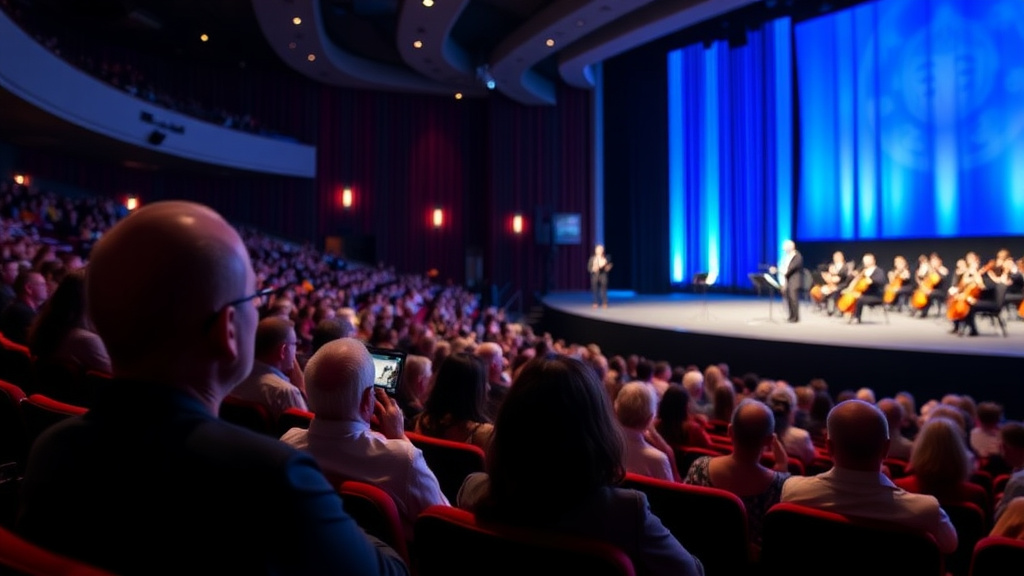
The music performance industry faces a pivotal moment as established music halls struggle to fill seats with younger listeners. From dynamic ticket pricing and social media-driven marketing to inclusive programming and improved online engagement, venues are fundamentally reimagining their operations. This article investigates how concert halls and amphitheaters are challenging traditional approaches to create spaces that appeal to Gen Z and marginalized audiences, ultimately reshaping the future of live entertainment.
Digital Blending and Mixed-Mode Experiences
Streaming and Virtual Attendance
Live music venues are increasingly embracing online broadcast technology to extend their reach beyond physical walls. By broadcasting live shows, venues reach listeners who cannot visit physically due to distance, cost, or access limitations. This dual-platform strategy generates additional revenue streams through digital ticket revenue while fostering engaged digital audiences. Younger audiences particularly enjoy the ease of enjoying concerts at home, making streaming an essential component of modern venue strategies. The platform additionally functions as a effective marketing instrument, allowing potential attendees to sample performers and locations before making the trip in person.
Advanced streaming platforms now incorporate engaging capabilities such as varied camera perspectives, performer conversations, and instant messaging capabilities. These enhancements transform inactive watching into engaging experiences that compete with in-person experiences. Locations using high-quality production technology draw enhanced broadcast standards, supporting elevated online ticket costs. Some venues have discovered that streaming genuinely increases increased in-person attendance, as digital audiences forge stronger bonds to performers and locations. This mutually beneficial connection between in-person and online engagement represents a significant change in how live entertainment reaches and engages current spectators across different population groups.
Mobile Technology and Venue Applications
Specialized mobile applications serve as key resources for venue engagement, delivering frictionless ticket purchasing, up-to-the-minute event details, and tailored suggestions. These apps give younger demographics with convenient access to event schedules, artist information, and exclusive content right on their mobile devices. Built-in payment solutions simplify the buying experience, reducing friction points that deter younger consumers. Push notifications send customized offers based on user preferences and music consumption patterns, creating personalized experiences that align with younger generation preferences. Mobile-first design guarantees access for consumers who mainly engage with content via mobile platforms rather than traditional channels.
Advanced venue applications now feature augmented reality capabilities, allowing users to view seating arrangements and stage views before buying tickets. Gamification elements such as reward programs, achievement badges, and exclusive merchandise drive participation from younger demographics accustomed to interactive digital experiences. In-venue features like mobile ordering for concessions minimize delays and improve customer experience. Analytics gathered through app usage provide venues with valuable insights into audience preferences, enabling informed strategic choices for programming and marketing initiatives. These technological innovations show that digital integration delivers measurable benefits for both venues and attendees.
Social Media Integration and User-Created Content
Social media platforms serve as primary discovery channels for younger audiences seeking live entertainment experiences. Venues employing Instagram, TikTok, and YouTube produce compelling content that showcases performances, backstage content, and artist interviews. User-generated content from attendees increases venue reach organically, as younger audiences share experiences within their networks. Strategic tagged content initiatives encourage attendees to capture performances, creating authentic marketing content that appeals to potential customers. This approach turns attendees into brand ambassadors, generating organic visibility that traditional advertising cannot replicate while building community around venue experiences.
Venues increasingly partner with content creators and social media influencers to broaden their audience within younger demographics. Live performance clips tailored to short-form video platforms introduce audiences to new artists and venues. Interactive social media campaigns such as contests, polls, and challenges boost engagement and build community connections. Analytics from social platforms provide venues with immediate insights on audience interests and new developments. This analytics-based strategy to social media allows venues to refine programming decisions and marketing strategies, ensuring relevance to younger, digitally-native audiences while building sustainable competitive advantages in an changing entertainment sector.
Pricing Approaches and Access Programs
Concert locations are overhauling their ticket pricing strategies to make live performances more affordable for younger patrons. Variable pricing structures, multiple seating tiers, and early booking deals drive ticket sales across various income levels. Many venues now offer student discounts, group packages, and pay-as-you-wish shows, removing financial barriers that previously deterred younger patrons from enjoying concerts.
- Flexible payment plans lower upfront ticket purchase burden
- Student and youth discounts improve venue accessibility substantially
- Free or low-cost community performances strengthen audience loyalty
- Digital presales engage particular audience groups effectively online
- Loyalty programs incentivize frequent visitors by offering special perks
Beyond pricing considerations, venues are putting in place comprehensive accessibility initiatives addressing physical, sensory, and neurodivergent needs. Accessible wheelchair facilities, accessible restrooms, and designated quiet spaces guarantee all attendees experience shows without discomfort. Many venues now offer ASL interpretation, captioning services, and sensory-friendly performances, demonstrating commitment to genuine inclusivity rather than tokenistic gestures toward varied populations.
Technology plays a vital role in democratizing concert access through live streaming capabilities and virtual attendance. Venues understand that younger audiences value flexibility and blended formats, allowing those unable to attend physically to participate remotely. This strategy expands revenue streams while maintaining inclusive practices that embrace varied attendees into the concert experience ecosystem.
Community Connection and Varied Programming
Establishing Solid Community Bonds
Modern concert venues recognize that reaching younger and diverse attendees involves more than just booking popular artists. By establishing community partnerships with local organizations, cultural centers, and academic organizations, venues foster authentic relationships that go beyond ticket sales. These joint efforts foster a feeling of community among attendees and position venues as cultural hubs rather than transactional spaces. Community outreach initiatives include artist encounters, learning workshops, and mentorship opportunities that uplift emerging musicians from underrepresented backgrounds to showcase their talents and develop their craft.
Venues are also supporting community engagement initiatives that bring live music experiences to neighborhoods historically underserved by the entertainment industry. Pop-up concerts, street performances, and free community events increase accessibility to excellent cultural experiences while strengthening audience connections among younger demographics. These initiatives demonstrate a genuine commitment in inclusive cultural practices and civic engagement. By integrating into grassroots communities, venues build authentic community buzz and position themselves as community anchors that genuinely care about their patrons’ cultural engagement and cultural representation.
Developing Inclusive and Diverse Programming
Programming decisions have become increasingly strategic, with venues actively programming artists across multiple genres, cultures, and backgrounds to showcase community diversity. Rather than relying solely on mainstream acts, forward-thinking venues reserve considerable space in their calendars to emerging artists, independent performers, and culturally significant acts that appeal to younger audiences with varied backgrounds. This approach breaks away from traditional booking methods that historically preferred well-known performers and constrained stylistic variety. Venues now recognize that diverse programming draws wider audience bases and facilitates cross-cultural engagement and creative exploration.
Themed concert series and community events have emerged as effective strategies for reaching particular audience segments while celebrating their unique identities. Venues host Latin nights, hip-hop showcases, LGBTQ+ pride events, and global festival events that provide platforms for emerging talent while establishing safe communities for their communities. These specialized programming initiatives build enthusiasm, foster community pride, and increase return visits. By strategically expanding their artist roster, and creating culturally relevant experiences, venues establish themselves as inclusive spaces where broad audience segments feel seen, valued, and celebrated.
Leveraging Digital Platforms for Expanded Reach
Concert venues are growing their influence beyond physical spaces by leveraging digital platforms to connect with younger audiences and build virtual communities. Streamed live performances, exclusive behind-the-scenes material, artist interviews, and interactive social media campaigns create multiple touchpoints that strengthen audience relationships and generate interest in attending in-person events. Digital engagement strategies allow venues to connect with audiences across different regions and present their programming to potential attendees who might not otherwise find their offerings. These virtual experiences serve as powerful marketing tools while democratizing access to live entertainment.
Venues are also employing data analytics from online sources to comprehend audience preferences, improve programming decisions, and tailor marketing messages. Social media engagement metrics, streaming analytics, and web-based feedback provide valuable insights into what resonates with younger demographics. This data-informed method enables venues to make informed decisions about talent acquisitions, event timing, and promotional strategies. By adopting digital tools alongside live interactions, concert venues build cohesive, omnichannel strategies that connect with audiences across channels and build enduring relationships with the younger audience of live music enthusiasts.
