
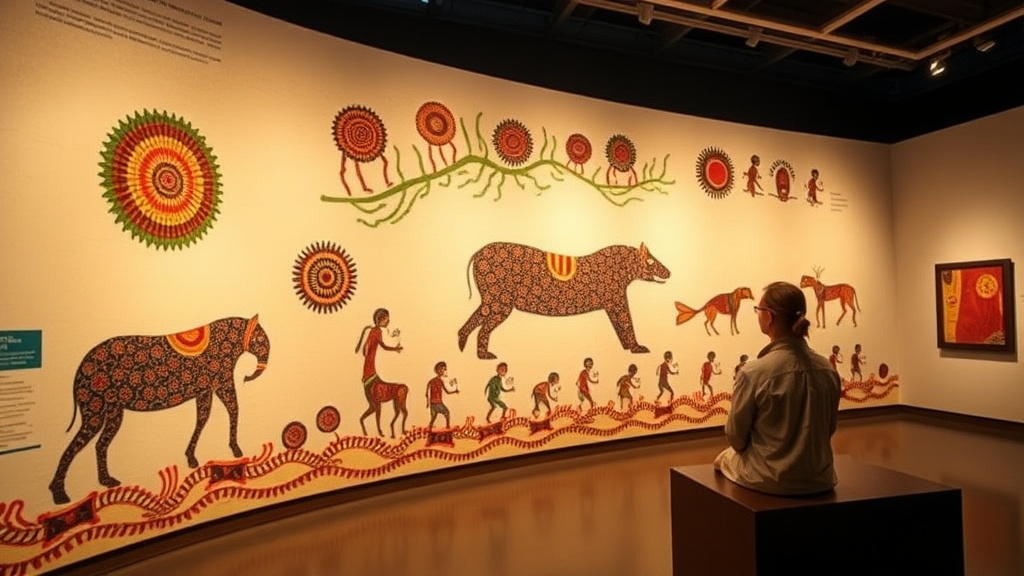
For generations, native artistic traditions have stayed sidelined in the global cultural landscape, eclipsed by Western creative practices. Today, a major transformation is occurring as prestigious international museums increasingly champion and display the remarkable talent of native creators. This article examines how prominent museums around the world are reassessing their acquisitions, promoting aboriginal representation, and providing platforms for native artistic practices—from Aboriginal dot paintings to indigenous American weaving—to achieve the appreciation they have consistently deserved, substantially changing contemporary art discourse.
Worldwide Museum Collections Embracing Aboriginal Traditions
Leading global museums are significantly reshaping their exhibition approaches to prioritize indigenous art forms. Institutions such as the Guggenheim, the British Museum, and the Musée du Quai Branly are carefully reassessing their collections and exhibition strategies. This shift reflects a significant departure from established Western-focused models, recognizing the artistic excellence and cultural importance of indigenous creators globally. Museums now understand their responsibility to showcase diverse narratives and honor the sophistication of indigenous artistic traditions.
The blending of indigenous art into prominent gallery venues has prompted meaningful conversations about cultural representation and historical responsibility. Contemporary displays feature indigenous artists next to prominent Western artists, rethinking hierarchical display systems that historically marginalized non-Western traditions. This equitable approach draws different communities and enriches the broader cultural engagement. Museums with growing regularity partner with indigenous communities to guarantee truthful portrayal and respectful presentation of sacred cultural works, creating collaborations that honor ancestral wisdom.
Recognition of indigenous art forms goes beyond exhibition spaces into permanent collections and acquisitions budgets. Museums worldwide are investing substantially in indigenous works, acknowledging their artistic merit and financial worth. This financial commitment signals genuine institutional change and demonstrates long-term dedication to preserving and promoting indigenous artistic traditions. Strategic acquisitions now demonstrate intentional efforts to develop extensive holdings that accurately represent global artistic achievement and cultural diversity.
Museum Collection Development
Contemporary sourcing approaches emphasize ethical sourcing and stakeholder engagement in selecting indigenous artworks. Museums now focus on collaborating directly with indigenous artists and cultural representatives rather than relying solely on commercial intermediaries. This cooperative framework ensures that acquisitions uphold cultural protocols and contribute meaningfully to indigenous communities. Many institutions have created dedicated acquisition committees that include indigenous advisors, ensuring culturally grounded decision-making processes. These forward-thinking approaches demonstrate institutional commitment to ethical standards and equitable relationships with source communities.
Capital spending in indigenous art collections have increased substantially across prominent museums globally. Institutions allocate significant budgetary resources specifically for indigenous works, acknowledging both their cultural importance and market value. Focused buying prioritizes underrepresented art forms and emerging indigenous artists, broadening collection scope comprehensively. Museums also create dedicated funds dedicated to indigenous art acquisition, ensuring ongoing dedication beyond individual exhibitions. This financial prioritization reflects genuine institutional recognition of indigenous creative achievement and cultural significance.
- Active partnership with indigenous creators and community spokespersons
- Ethical sourcing practices maintaining respectful cultural protocols
- Specialized purchasing boards with indigenous advisors
- Greater financial investment for indigenous artwork purchases
- Creation of permanent funds advancing sustained indigenous artwork gathering
Cultural Influence and Community Participation
The inclusion of indigenous art into leading international museums has sparked substantive discussions about cultural representation and historical accountability. Museums are no longer simply static collections but key actors in acknowledging previous inequities and celebrating living traditions. This shift has enabled indigenous communities to reassert their accounts, manage their cultural representation, and position themselves as vital perspectives in contemporary art discourse, profoundly reshaping how institutions interact with worldwide viewers.
Community involvement has become central to museum operations, with indigenous artists and cultural leaders now serving as consultants, curators, and exhibition designers. This partnership model ensures genuine portrayal and dignified exhibition of sacred or culturally valued works. Museums have recognized that genuine partnerships with indigenous communities enhance visitor experiences, expand learning opportunities, and create sustainable relationships grounded in mutual respect, transparency, and shared decision-making processes that respect cultural practices.
The monetary gains of increased indigenous art recognition reach artists and their communities. Higher prominence in renowned museums results in greater commercial interest, equitable payment, and ongoing financial stability for indigenous creators. Museums have become advocates for economic justice, advancing ethical sourcing practices and making certain that indigenous artists get appropriate credit and monetary acknowledgment, thereby strengthening heritage conservation initiatives and indigenous autonomy.
Learning Programs and Community Outreach
Major museums have established comprehensive educational programs created to place indigenous art within wider historical and cultural contexts. These efforts include educational tours facilitated by indigenous educators, workshops teaching traditional techniques, and presentation series showcasing indigenous scholars and artists. Teaching materials now center indigenous perspectives, confronting colonial accounts and encouraging analytical engagement among visitors of all ages, generating meaningful educational encounters that support cultural knowledge and recognition.
Public programming has expanded to include community celebrations, artist residencies, and collaborative exhibitions that link museum spaces and indigenous communities. These programs support intergenerational knowledge transfer, allowing younger community members to learn directly from master artists while reaching broader audiences. Museums increasingly host ceremonies, performances, and cultural gatherings that recognize customs, creating open forums where indigenous cultures are genuinely honored rather than simply presented as historical artifacts.
Challenges and Future Directions
Despite increasing awareness, indigenous artists deal with major challenges in the global art market. Issues such as inadequate compensation, restricted entry to global venues, and continuous cultural misappropriation continue to be significant problems. Museums must address complex questions about repatriation, ethical representation, and equitable profit-sharing. Additionally, numerous indigenous groups have inadequate funding for documentation and preservation of conventional practices, endangering the preservation of ancestral knowledge and artistic practices for generations to come.
The future of indigenous art in international museums depends on ongoing dedication to genuine cooperation and systemic transformation. Museums embracing innovation are developing relationships in close work with native peoples, guaranteeing genuine representation and joint decision-making in collection management. Funding for artist education programs, online collections, and mobile shows promises broader accessibility. As these museums remain adapting their strategies, indigenous art forms are positioned to secure enduring visibility, transforming not merely curatorial assemblies but fundamentally reshaping international understanding on creative achievement and cultural importance.
