
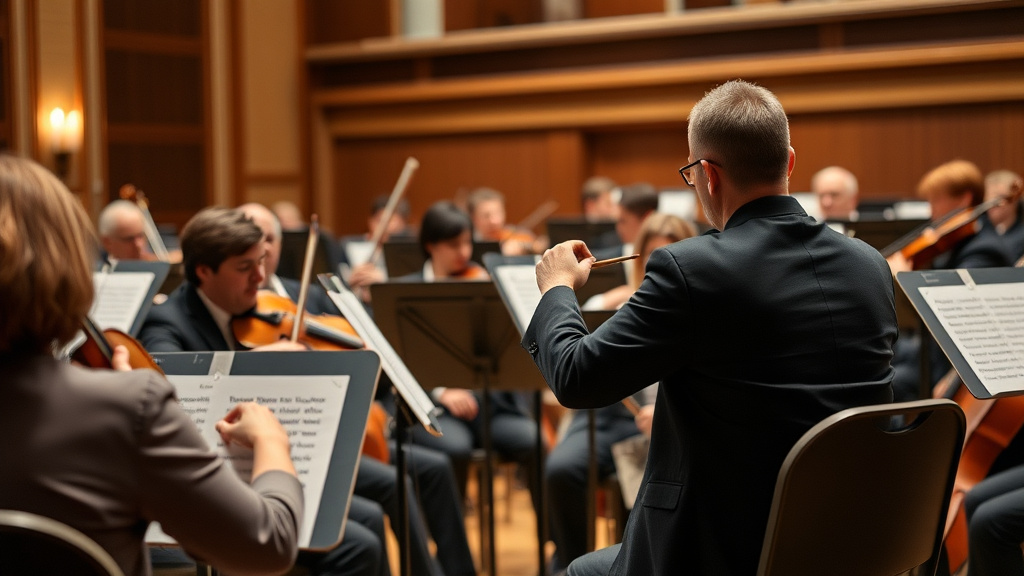
For generations, classical orchestras have mesmerized audiences with timeless masterpieces, yet today’s concert halls face an unique obstacle: reaching today’s listeners accustomed to online media and diverse musical experiences. Rather than adhering strictly to convention, forward-thinking ensembles worldwide are reimagining their approach—blending multimedia components, curating eclectic programs, and designing engaging performances that respect musical tradition while addressing modern tastes. This article explores how orchestras are linking between tradition and modernity, ensuring that these timeless figures remain relevant for future audiences.
Modernizing Concert Formats and Venues
Classical orchestras are reimagining their concert formats to attract modern audiences wanting fresh experiences. Traditional lengthy concerts are being reimagined into concise, curated sets lasting 60-90 minutes, allowing listeners to participate without exhaustion. Many orchestras now weave in storytelling elements, pairing classical compositions with contemporary works, visual projections, and interactive elements. Concert halls themselves are evolving, with some orchestras performing in unconventional venues such as breweries, parks, and urban cultural centers, dismantling the intimidating atmosphere historically associated with classical music venues.
Digital transformation is transforming how orchestras present classical music to varied audiences. Streamed events, virtual reality concert experiences, and mixed events featuring in-person and online attendance have increased access significantly. Orchestras are also experimenting with flexible seating arrangements, informal attire guidelines, and pre-show discussions that clarify complex compositions. These adjustments acknowledge that modern audiences prioritize ease of access, inclusivity, and explanation—transforming classical music from an exclusive cultural experience into an engaging, approachable art form that aligns with contemporary lifestyles and preferences.
Reaching Younger Generations Through Innovation
Today’s orchestras acknowledge that attracting younger audiences requires more than standard concert presentations. Innovative musical groups are exploring visual projections, modern pieces mixed with traditional works, and interactive pre-concert experiences that make accessible classical music. Venues are reconfiguring concert spaces, providing variable ticket options, and hosting casual listening sessions in unconventional venues. Social media campaigns and streaming service collaborations extend orchestra reach past performance spaces, exposing classical repertoire to millions who might never attend a live performance otherwise.
Orchestras are also partnering with well-known artists and innovative performers to produce hybrid shows that bridge musical genres. Learning initiatives now emphasize emotional engagement and compelling narratives rather than complex technical elements, rendering classical music available for uninitiated listeners. By embracing innovation without abandoning creative authenticity, orchestras demonstrate that classical music continues to be dynamic and contemporary. These thoughtful modifications allow that younger generations experience the profound beauty of orchestral expression while cultivating loyal audiences for future decades.
Integrating Technology into Digital Experiences
Today’s orchestras are employing advanced technology to elevate live performances and reach larger audiences. From HD live broadcasts to VR-based concert experiences, orchestras now provide multiple pathways to experience classical music. Digital platforms enable fans worldwide to view performances that were once limited by geographic locations, democratizing access to world-class orchestral music and exposing classical repertoire to younger demographics who may never visit traditional concert halls.
Live performance tools featuring augmented reality features offer attendees enhanced connection opportunities at live shows. Numerous orchestral ensembles now offer mobile apps that display performer backgrounds, piece histories, and real-time score visualizations, enriching the audience experience. These technological innovations don’t reduce the impact of live performance; instead, they complement it, creating multisensory experiences that appeal to contemporary audiences while maintaining the authenticity and emotional impact that characterize classical music’s lasting significance.
As orchestras maintain their adoption of digital transformation, they recognize that technology functions as a bridge rather than a replacement for traditional concert experiences. By carefully blending innovation with artistic integrity, orchestras ensure classical music remains dynamic, engaging, and deeply meaningful for modern concert audiences worldwide.
