
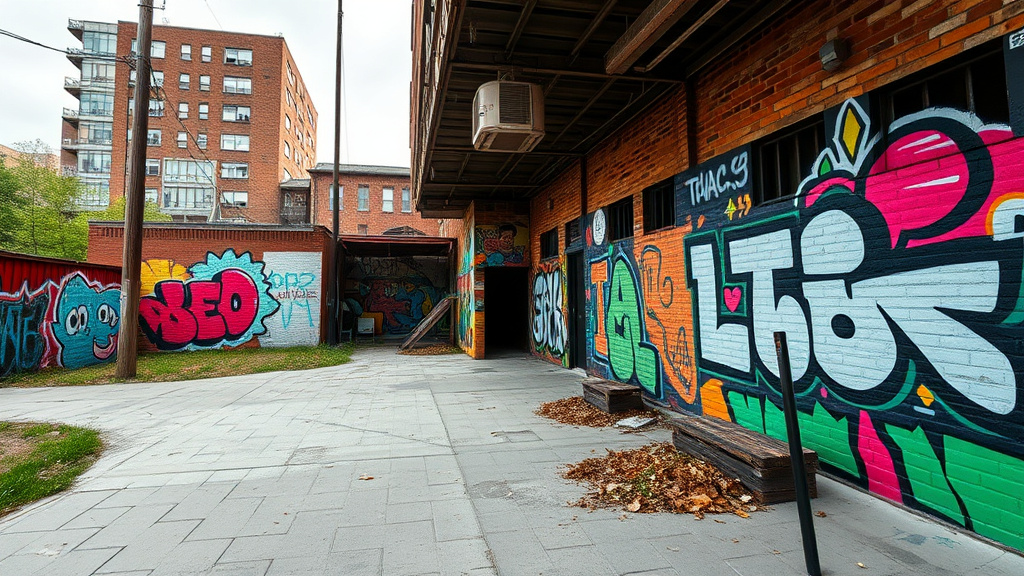
In forgotten corners of cities globally, colorful murals and powerful works are infusing vitality into forgotten areas. Street art has emerged as a powerful catalyst for urban transformation, converting run-down surfaces and forgotten locations into galleries of cultural expression. This article investigates how artistic communities are restoring neglected neighborhoods, fostering local pride, generating economic interest, and amplifying underrepresented perspectives—proving that creativity and paint can revitalize areas more effectively than traditional development. Learn about the inspiring stories behind this creative movement.
The Rise of Urban Art as Community Catalyst
From Vandalism to Acceptance
Street art has undergone a remarkable transformation from its grassroots origins to become a acknowledged and respected form of visual art. What was once rejected as graffiti is now recognized as a legitimate art form that requires outstanding talent, vision, and community consciousness. This change in attitude has paved the way for artists to collaborate with communities, local governments, and organizations, converting empty walls into masterpieces that express the identity and values of neighborhoods.
The recognition of street art has created unprecedented opportunities for creative practitioners. Artists who once created in secrecy now get hired from public agencies and companies aiming to breathe new life into urban spaces. This transition has elevated street art from illegal activity to community asset, attracting investment to districts long neglected by real estate interests. The artistic recognition now extended to street artists has fundamentally changed how cities tackle community revitalization and cultural growth strategies.
Creating Community Identity and Civic Pride
Street art functions as a visual language that resonates with community members, honoring their cultural background, struggles, and aspirations. When community members see their experiences depicted in striking artworks and installations, a strong feeling of belonging and pride emerges. These creations serve as emblems of community character, creating bonds between diverse populations and building unified cultural symbols that bring communities together throughout age and economic divides.
The presence of meaningful street art substantially influences residents’ emotional connection to their neighborhoods. Communities enhanced by thoughtful, culturally relevant murals demonstrate increased civic engagement and community pride. These visual transformations inspire residents to invest more deeply in their neighborhoods, resulting in improved maintenance of public spaces, higher pedestrian activity, and stronger social cohesion. Street art effectively serves as the voice for underrepresented communities.
Economic Recovery Via Creative Expression
Street art pulls visitors, media attention, and economic activity to historically overlooked areas. Neighborhoods transformed by artistic initiatives experience more tourist traffic, with visitors actively looking for famous murals and art installations. This increase in foot traffic helps local businesses, from cafes and restaurants to specialty retailers and galleries. The economic benefits extend beyond immediate tourism, as property values often appreciate in revitalized neighborhoods, generating opportunities for sustained community prosperity.
The financial effects of street art includes workforce development and commercial growth opportunities. Artists gain employment through commissions, workshops, and partnership initiatives, while entrepreneurs create galleries, studios, and creative businesses in renewed areas. Cities investing in street art programs show quantifiable results through increased tax revenue, lower vacancy levels in commercial properties, and lower crime rates in transformed neighborhoods. This shows that creative spending delivers concrete financial advantages alongside cultural value.
Financial and Community Effects of Urban Murals
Strengthening Regional Economic Growth
Street art has established itself as a significant economic catalyst in abandoned neighborhoods, drawing in tourism and business investment. Colorful murals attract visitors to previously overlooked areas, driving more foot traffic to local shops, restaurants, and galleries. Real estate values in communities with notable street art installations have shown measurable increases, motivating property owners to undertake renovations and improvements. This economic revitalization generates employment opportunities for neighborhood residents and supports small businesses that thrive in culturally dynamic environments.
Beyond immediate tourism benefits, street art supports business creation within communities. Local artists gain recognition and commercial opportunities through commissioned murals and gallery shows. Young entrepreneurs establish creative businesses including art retailers, cafes, and artist studios that address the needs of the expanding artist population. These economic activities generate tax revenue for municipalities while decreasing the expense of upkeeping vacant structures, creating a continuous progression of expansion and community wellbeing.
Developing Community Pride and Belonging
Urban murals act as powerful symbols of local identity, capturing the cultural heritage and beliefs of local community members. When communities participate in art projects, they create stronger ties to their local areas and increased civic engagement. Street art highlights community histories, recognizes influential figures, and brings attention to underrepresented communities that conventional institutions often ignore. This inclusive approach creates a feeling of connection and investment among residents who observe their experiences and cultural identities clearly displayed on community walls.
The existence of colorful public murals substantially influences residents’ mental health and community outlook. Communities with prominent murals report stronger social cohesion and decreased sense of dilapidation. Street art displays become gathering spaces where neighbors engage, work together, and share common artistic traditions. This strengthened neighborhood unity leads to greater community involvement, volunteer involvement, and collective efforts to maintain and beautify public spaces, creating neighborhoods where residents take pride in their surroundings.
Social Change and Activism Through Art
Street art acts as a impactful medium for community activism and political discourse, enabling groups to raise awareness about institutional inequalities and injustices. Murals highlighting pressing issues—covering excessive force, ecological harm, and economic inequality—spark important discussions and build consciousness among varied populations. Artists leverage street surfaces as venues to contest mainstream perspectives and advocate for systemic change, making activism accessible to groups with restricted connection to traditional media channels. This democratic form of communication mobilizes residents to engage in grassroots movements.
The profound influence of community-based street art goes further than surface-level appearance, driving tangible grassroots mobilization and legislative change. Neighborhoods featuring socially conscious murals often experience greater grassroots mobilization, voting participation campaigns, and advocacy campaigns. These artistic expressions affirm local grievances while attracting media attention and support from external organizations. Street art thus becomes a catalyst for systemic change, showing that artistic innovation can mobilize communities toward meaningful social progress and improved quality of life.
Maintaining Street Art While Supporting Local Artists
Documentation and Legal Protection
Preserving street art requires creative strategies that reconcile artistic liberty with community interests. Digital preservation through photos, videos, and 3D imaging ensures that transient creations gain lasting presence in the digital environment. Many cities now establish legal frameworks identifying street art as legitimate cultural heritage, protecting murals from being removed or destroyed. Arts venues systematically collect street art collections, elevating these works to fine art standing. This acknowledgment validates artists’ contributions while establishing documented archives that highlight community change and cultural evolution over time.
Legal protection mechanisms have developed substantially across cities. Some municipalities grant artists formal authorizations and commission possibilities, converting street art from grassroots movement into sanctioned public expression. Heritage designations prohibit building demolition and wall removal, safeguarding iconic murals. Partnership agreements between property owners and art creators establish maintenance schedules, keeping artworks bright and visible. These protective measures show how cities can honor street art’s cultural value while offering artists consistent opportunities, reliable income, and credit for their creative contributions to urban revitalization.
Earning Opportunities for Street Artists
Street artists increasingly leverage legitimate economic pathways through gallery representation, public commissions, and corporate collaborations. Cities worldwide now set aside funding specifically for mural projects, hiring local artists to enhance public areas while generating income. Corporate sponsorships and nonprofit grants support major art installations, generating job opportunities that sustain artistic careers. Art festivals and community events create venues for artists to showcase work, offer goods, and build professional networks. These financial pathways convert street art from informal hustle into established career, drawing skilled artists and making certain that neighborhood beautification projects benefit local creative communities directly.
Educational programs bolster artists’ financial opportunities by developing entrepreneurial and promotional expertise alongside artistic talent. Workshops cover portfolio development, securing grants, and contract negotiation, enabling artists to navigate professional opportunities confidently. Mentorship programs pair emerging street artists with established professionals, facilitating sharing expertise and career development. Some neighborhoods establish artist collectives and workspaces, supplying low-cost studio space and shared negotiating strength. These comprehensive support systems build sustainable careers, enabling artists to remain in their communities while creating thriving creative economies that produce community wealth and inspire future generations.
Community Involvement and Cultural Preservation
Successful street art protection depends fundamentally on community involvement and cultural stewardship. Area residents, local organizations, and cultural institutions partner to identify culturally important murals deserving protection and restoration. Community workshops inform community members about the history of street art, artistic approaches, and cultural significance, building understanding and ownership. Young people’s initiatives engage youth with street art, channeling creative energy productively while fostering intergenerational community ties. These grassroots initiatives ensure preservation efforts honor local priorities, celebrate varied art forms, and sustain true cultural representation rather than imposing external aesthetic standards.
Cultural continuity necessitates respecting street art’s foundations in underrepresented populations while broadening opportunities for emerging voices. Platforms celebrating women, immigrant, and minority artists ensure varied stories define neighborhood identity. Oral history projects document artists’ motivations, techniques, and community impact, safeguarding priceless community heritage. Community gatherings and commemorative occasions celebrate notable artworks and artistic accomplishments, reinforcing community pride. By meaningfully including local populations in choices regarding conservation and artistic creation, communities uphold true cultural representation while ensuring street art remains vibrant, welcoming, and strongly tied to the neighborhoods it enhances and reflects.
