
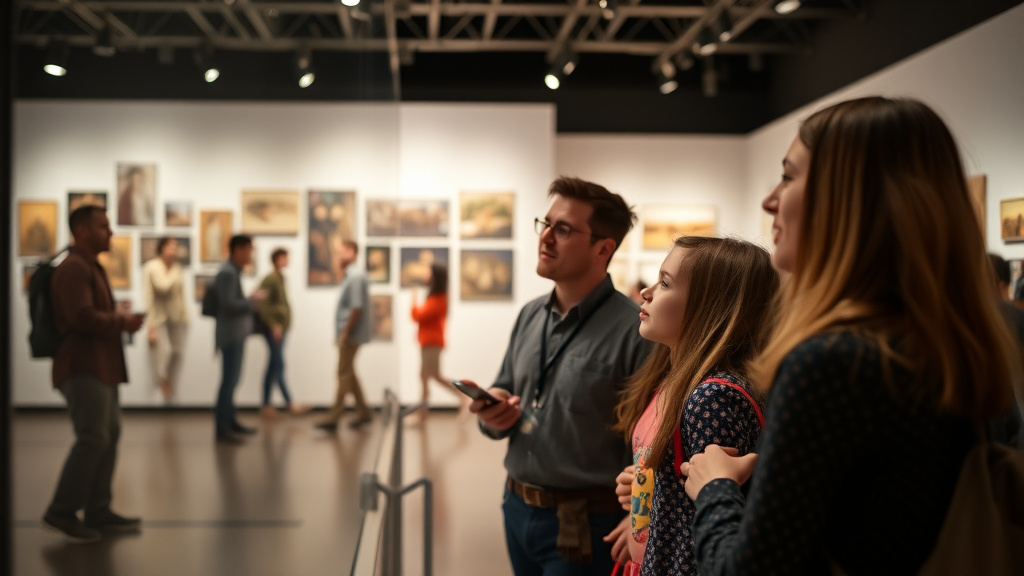
Museums around the globe are facing a critical challenge: how to attract younger generations in an increasingly digital age. As attendance among visitors under 30 remains in decline, innovative museum directors are reimagining their methods through creative solutions. From engaging digital experiences and social media engagement to hands-on displays and youth-centered programming, heritage organizations are rethinking what it takes to be meaningful. This article examines the innovative strategies museums are utilizing to transform passive viewing into dynamic experiences that resonate with today’s tech-savvy audiences.
Digital Integration and Engaging Interactions
Integrating Digital Innovation in Display Design
Modern museums are transforming their exhibition spaces by incorporating cutting-edge digital technologies that shift passive observation into active engagement. AR technology allow visitors to unlock hidden layers of information by simply pointing their smartphones at artifacts, while virtual reality experiences immerse young audiences into past events or artistic worlds. These digital additions don’t replace conventional exhibits; instead, they supplement physical exhibits by offering historical context and engaging narratives. Museums adopting these technologies report notable growth in dwell time and audience engagement among younger demographics who appreciate the combination of learning and enjoyment.
Digital touch displays, sensor-based technology, and digital projection systems produce interactive settings that resonate with digitally native audiences. These tools allow visitors to manipulate virtual objects, explore three-dimensional reconstructions, and engage in interactive educational activities that conventional museums don’t deliver. By gamifying the museum experience through digital challenges and rewards, museums drive repeat visits and stronger connections with exhibits. Younger audiences show strong interest in digitally enhanced presentations that enable them to determine how fast they learn and explore topics aligned with their personal interests, making museums feel less like obligatory educational venues and more like dynamic entertainment destinations.
The integration of digital wayfinding systems and mobile applications has enhanced visitor navigation while delivering customized tour suggestions based on personal preferences and interests. Museums now feature digital guides, behind-the-scenes content, and AR experiences that enrich the visitor experience throughout the visitor journey. These digital tools gather valuable data about visitor behavior and preferences, enabling curators to improve display arrangements and how content is presented. By creating seamless digital ecosystems that reach past the museum’s physical space, museums build continuous connections with younger audiences who prioritize ease of access, personalization, and ongoing educational experiences that align with their technology-driven way of living.
Social Media and Building Community
Museum directors recognize that younger audiences spend time on social media platforms, prompting institutions to create sophisticated digital marketing strategies and community engagement initiatives. Instagram-worthy installations, TikTok-friendly exhibits, and shareable museum moments encourage visitors to act as content creators and brand ambassadors. By designing exhibitions with social media in mind—featuring visually striking displays and interactive elements that beg to be photographed—museums tap into organic promotional channels while delivering memorable experiences. This strategy converts casual visitors into active participants who amplify museum messages across their networks, reaching demographics that traditional advertising cannot effectively penetrate and building vibrant online communities around shared cultural interests.
Strategic partnerships with social media influencers and content creators have proven crucial in reaching younger audiences in an authentic way. Museums welcome popular creators to get early access to exhibitions and communicate their thoughts with followers, utilizing their influence and audience to create authentic engagement. User-generated content campaigns invite visitors to document their time using designated hashtags, producing dynamic social media narratives that feature museum offerings through community voices. These grassroots initiatives cultivate genuine relationships between institutions and younger audiences, reshaping museums from distant cultural authorities into accessible, collaborative venues where young people experience belonging as key voices to cultural discourse.
Learning Initiatives and Local Collaborations
Collaborative Learning Initiatives
Museum directors are building strong partnerships with schools, universities, and academic centers to produce substantive learning experiences. These cooperative efforts extend beyond traditional field trips, incorporating curriculum-aligned programs that teachers can incorporate into classroom instruction. By partnering closely with educators, museums develop content that meets academic standards while keeping engaging, interactive elements. Such partnerships guarantee younger audiences experience museums as significant academic assets rather than passive entertainment venues, promoting lifelong cultural engagement and appreciation for artistic and historical knowledge.
Community collaborations have become instrumental in museum openness and relevance. Directors partner with community groups, youth centers, and cultural groups to bring museum experiences directly to populations with limited access. These initiatives eliminate barriers to attendance, including travel expenses and cultural disconnection. Through public outreach efforts and pop-up exhibitions in neighborhood locations, museums exhibit commitment to inclusivity. Partnerships with influencers and youth-led organizations expand museum messages across social channels, creating real relationships with younger audiences who might otherwise overlook cultural institutions as spaces meant for their participation.
Interactive Workshops and Digital Integration
Progressive museums are launching hands-on workshops that convert visitors from passive observers into engaged contributors. These programs span creative art workshops and digital content production to curatorial discussions and behind-the-scenes experiences. By allowing young people to engage creatively with collections, museums change the conversation from “looking at history” to “creating history.” Workshops often highlight contemporary themes and societal concerns, showing how museums stay connected to current concerns. This participatory approach builds emotional investment and drives return attendance among youth populations pursuing meaningful cultural engagement.
Digital integration within educational programs connects between online and physical museum experiences. Directors deploy augmented reality applications, virtual exhibition tours, and digital collections that appeal to tech-savvy visitors. Mobile apps offer personalized learning paths, gamification elements, and community engagement tools that extend engagement beyond museum walls. By seamlessly blending digital tools and conventional learning materials, museums create blended learning environments that support varied educational needs. This approach recognizes that younger audiences demand integrated technology experiences while maintaining the unique importance of in-person cultural encounters and community connection.
Innovative Content and Social Media Strategies
Museum directors acknowledge that digital engagement is crucial for drawing younger visitors. Social media platforms have become essential channels for displaying works, providing exclusive looks, and building community connections. By leveraging Instagram, TikTok, and YouTube, museums create compelling visual narratives that transform sophisticated cultural and historical themes into shareable, digestible formats. These platforms help organizations to reach audiences outside of physical walls, fostering meaningful dialogue and inspiring trips from tech-savvy younger people who value real, hands-on interaction over standard passive presentations.
- Instagram Stories highlight daily museum activities and artifacts
- TikTok videos feature brief engaging educational material
- Visitor-created content initiatives promote visitor participation
- Live-streamed virtual exhibitions connect with global audiences
- Interactive polls involve followers in curatorial decision-making
Current museums are also investing in content creation that speaks directly to younger people’s interests and values. Rather than sharing content in standard lecture-based approaches, institutions produce podcast programs, documentary-style videos, and interactive web experiences that delve into topics important to contemporary young people. This strategy democratizes cultural knowledge, making museums feel welcoming and representative rather than elitist, ultimately changing how young people experience museums and cultural organizations.
The blending of audience-produced campaigns has demonstrated considerable success in fostering genuine audience participation. Museums prompt guests to share their experiences using curated hashtags, creating organic social media buzz while affirming younger visitors’ viewpoints. This collaborative strategy shifts guests from inactive spectators into active co-creators of institutional storytelling, fostering deeper emotional connections and substantially boosting return visit rates among younger audiences who desire substantive cultural engagement.
