
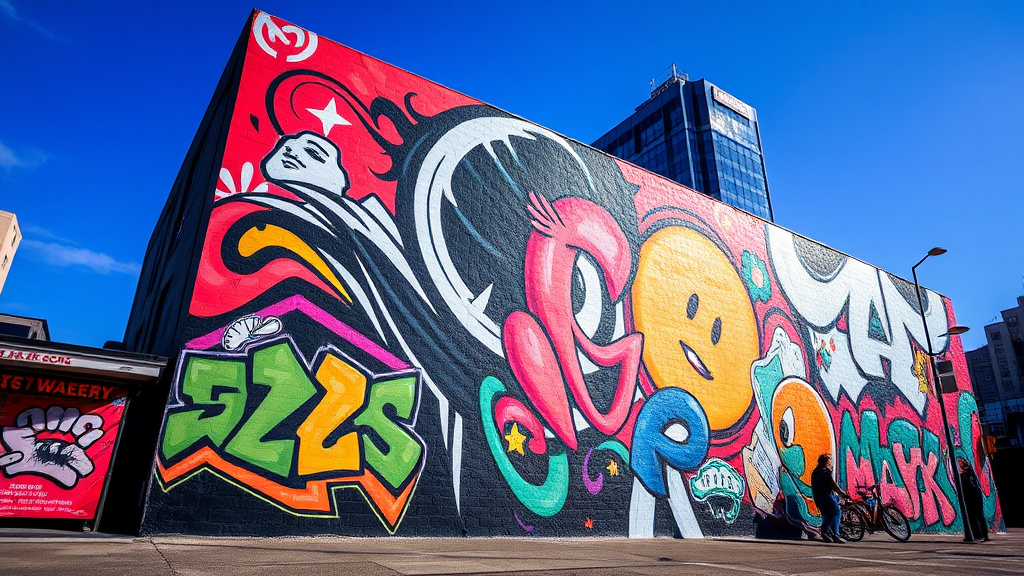
Walk down any city street today and you’ll encounter striking murals, intricate stencil work, and dramatic installations transforming concrete walls into stunning artistic creations. Today’s street art has evolved from underground movement into a established cultural movement, turning everyday city spaces into public galleries accessible to everyone. This article investigates how artists are changing urban spaces worldwide, the stories surrounding these significant creations, and why street art has become essential to contemporary city culture and community expression.
The Rise of Street Art as Legitimate Art Form
Street art has undergone a remarkable transformation over the last twenty years, shifting away from perceived vandalism into a respected artistic discipline. Major museums now host street art collections, collectors acquire authenticated pieces, and cities regularly hire muralists for urban environments. This recognition reflects a broader cultural shift viewing street artists as skilled professionals rather than criminals, validating their creative contributions to urban aesthetics and social discourse.
The critical shift came when renowned creators like Banksy, Shepard Fairey, and JR earned worldwide attention, illustrating street art’s capacity for sophisticated storytelling and artistic value. Today, galleries feature major exhibitions, art institutions provide structured education, and accomplished creators shift effortlessly between street work and institutional art venues. This recognition has enhanced street art’s position, attracting serious collectors and cementing it as a legitimate contemporary art movement with lasting cultural significance.
Public Street Art’s Effect on Urban Communities
Street art has fundamentally changed how city residents relate to their surroundings, establishing communal areas that celebrate creativity and build shared sense of belonging. More than visual improvement, these public artworks serve as catalysts for community engagement, motivating community members to feel invested in their neighborhoods. The presence of vibrant street art promotes neighborhood participation, initiates discussions about community concerns, and creates opportunities for underrepresented communities. As cities appreciate public art’s significance, neighborhoods previously seen as declining now flourish as creative centers, illustrating public art’s profound impact to reshape urban environments and strengthen community bonds.
Economic Recovery Through Murals
Street art has emerged as an remarkable economic engine for urban neighborhoods, attracting tourists, businesses, and investment to historically underutilized areas. Cities like Los Angeles, Berlin, and São Paulo have experienced substantial real estate growth in the wake of large-scale mural projects and street art initiatives. Neighborhood shops benefit from higher visitor numbers as art lovers and visual documentarians explore districts intentionally to experience famous murals. This development has created fresh job prospects for artists, tour guides, and hospitality workers, creating substantial revenue streams that support local economies and support community development programs.
The monetary consequences extends beyond short-term tourist income, as street art draws in artists and designers and venture capitalists pursuing dynamic cultural communities. Property owners recognize the importance of quality murals, supporting professional installations to enhance their buildings’ appeal. Creative venues and retail stores tend to gather in communities featuring street art, establishing thriving commercial districts. Cities deliberately invest in murals as development instruments, understanding that original street artwork creates lasting development while preserving community distinctiveness that generic development fails to match.
Social Commentary and Cultural Expression
Contemporary street art acts as a strong vehicle for cultural critique, allowing artists to tackle critical problems including inequality, ecological issues, and political injustice. Murals illustrating climate change, racial justice, and human rights engage diverse audiences who might never enter traditional galleries, broadening engagement to significant creative dialogue. Street artists elevate marginalized communities’ voices, creating visual narratives that confront mainstream narratives and ignite public dialogue. This accessible platform enables artists to capture historical moments, honor cultural heritage, and encourage collective action on issues impacting their communities.
Cultural communication through street art celebrates diversity, protecting neighborhood identity and heritage through pictorial narratives. Artists celebrate neighborhood histories, prominent community figures, and cultural practices through murals that act as lasting documentation of collective values and aspirations. Street art events and community collaborations connect residents across cultural divides, fostering cross-cultural conversation and mutual understanding. By reimagining urban spaces into platforms for diverse expression, street art affirms that urban communities deserve spaces for authentic self-expression, challenging homogenization while establishing spaces where each neighborhood’s unique story deserves recognition and celebration.
The Evolution of Urban Art in Urban Development
As cities keep changing, street art is gaining wider acceptance as a vital component of urban planning and development strategies. Municipalities worldwide are hiring creative professionals to transform underutilized communities, boost tourism, and foster community pride through public creative projects. This change demonstrates a significant evolution in how metropolitan areas are perceived and planned, with street art no longer considered vandalism but as an essential cultural asset that enhances quality of life and economic vitality.
Looking ahead, the incorporation of street art into city planning promises substantial transformation. Cutting-edge innovations like digital overlays and interactive installations will create engaging environments, while collaborative projects between artists and city planners will ensure ongoing expansion. As new cohorts promote artistic freedom and multicultural representation, street art will undoubtedly remain key in shaping lively communities that showcase artistic progress and local culture for years ahead.
